
The DayO Book blog
Practical writing on no-shows, scheduling operations, and running a business that lives on its calendar. No fluff, no fake statistics.

Your passengers already forgave the airline. They won't forgive a missed pickup.
Airport shuttle operators are judged on two things they don't control: whether the flight actually lands on time, and whether a phone gets answered fast enough to matter.

76% of executives say feeding employees keeps them from quitting. That single stat split catering into two different businesses.
Market data on the corporate-versus-wedding split, and Fooda and ezCater's 2026 workplace retention numbers, show why a catering business now has to run two structurally different sales cycles through one calendar, one guest count at a time.

82% of customers already want to book online. Most service businesses still make them call.
Pulled from spa, home-services, and general appointment-industry benchmark reports: the same adoption gap between what customers want and what businesses offer shows up in every vertical, not just one.

Home service businesses miss the most calls exactly when it costs the most
ServiceTitan, Jobber, and Housecall Pro's own benchmark numbers show peak-season call volume, response speed, and after-hours demand all working against phone-only booking.

The $45,000 gap between spas that rebook clients and spas that don't
Real benchmark data from thousands of spas shows the top earners aren't winning on service quality — they're winning on rebooking rate, booking channel, and knowing exactly who their loyal clients are.

College football season doesn't sneak up on anyone. Your Saturdays shouldn't either.
The football schedule is published months in advance — nobody guesses when the busy Saturdays are coming. The businesses around that schedule usually still do.

Every scheduling tool has a calendar. Here's what else you actually need.
Calendly, Cal.com, Doodle, Google Calendar — all genuinely good at coordinating meetings. None of them were built to run the back office of a business with staff, rooms, or tables.
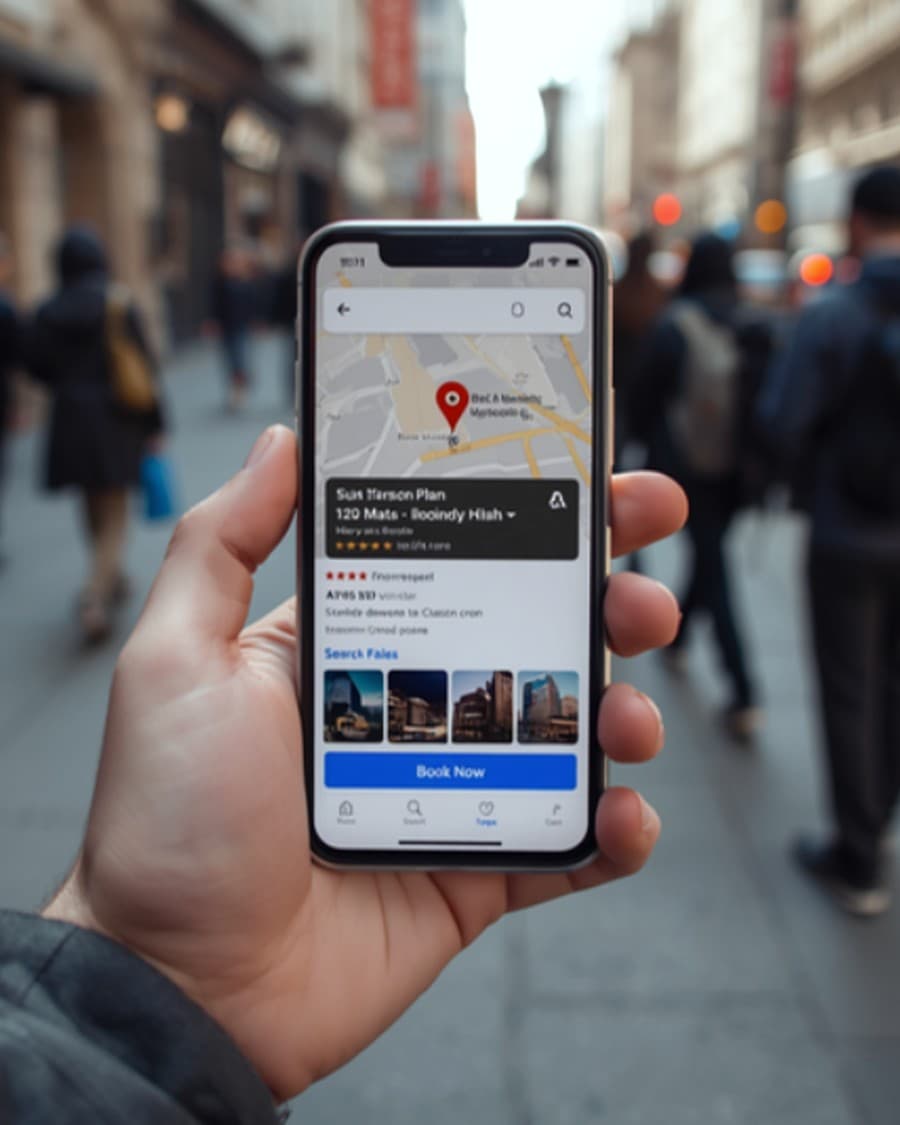
The booking link that matters most might not be on your website
A lot of people deciding to book you never visit your homepage at all — they see your business in a map search and expect to book right there.
The customer you never hear from is still a lost customer
A missed call during a busy afternoon doesn't show up on any report. It just quietly becomes someone else's appointment.

One owner, three locations, one booking flow
Running more than one location usually means more than one everything — separate calendars, separate booking pages, separate logins. It doesn't have to.

A fitness class isn't full until you say it is
A shared calendar doesn't know a 6am spin class caps at 20 people. Real capacity limits — and a waitlist that actually works — change what happens when a class fills up.

Dog grooming: why "we just take walk-ins" breaks down past a certain size
Walk-ins work fine for one groomer with a short list of regulars. Past that, they start costing appointments — and the fix isn't more hustle, it's a real schedule.
What your booking calendar knows that your P&L doesn't — yet
A calendar update happens the moment someone books. A financial report happens whenever someone gets around to running it. That lag is where a lot of avoidable surprises live.

The no-show number everyone tracks, and the one nobody does
A no-show rate tells you how often people don't show up. It doesn't tell you what that's actually costing you this week — and that's the number that's useful before the appointment, not after.

Your slow Tuesday isn't slow. It's just unmarketed.
Every calendar has a pattern in it — which slots fill first, which ones sit open every week. Most businesses never look, because looking means digging through bookings by hand.

Uncertainty is the job. A synced calendar is how you run it anyway.
Appointment-based businesses run on constant change — a rigid calendar just shows you the schedule. A synced one turns loyalty, pricing, marketing, and booking links into signals you can actually act on.

Your five-year regular and your first-time visitor need different emails
Most businesses either never email their customer list, or send everyone the exact same message. Both waste the list. Here's what strategic actually means.

Booking convenience wins the first visit. It doesn't win the tenth.
Online booking is why a customer picks you the first time. It's not why they come back — that takes actually staying in touch.
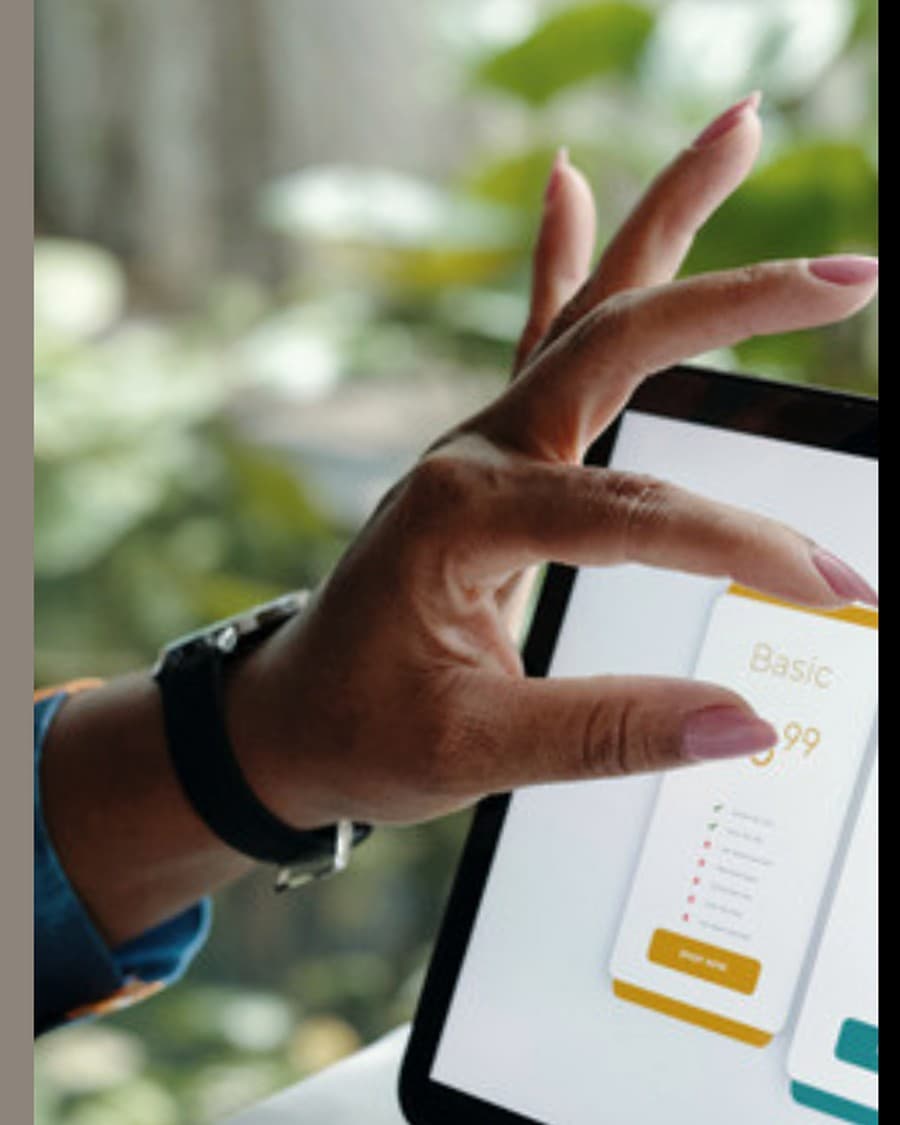
Usage-based pricing vs. a flat monthly fee for scheduling tools
A flat SaaS fee charges the same in your slowest month and your busiest one. Here's why that's the wrong shape for a scheduling tool specifically.

Restaurant reservations: why party size is the whole ballgame
A reservation system that doesn't know your table sizes isn't really a reservation system — it's a waitlist with extra steps.

Why patients don't show up — and what actually changes it
Missed visits are rarely defiance. They're a scheduling gap between when someone booked and when they were supposed to be there.

Multi-night boarding: how double-bookings actually happen
It's rarely a mistake — it's a spreadsheet or a generic calendar that doesn't understand a stay occupies a room for its full length.
Salon scheduling software: what to actually look for
Beyond "does it have a calendar" — the specific things that make or break scheduling software for a multi-stylist salon.
How to reduce no-shows without hiring a receptionist
The three levers that actually move a no-show rate — confirmation, reminders, and making it easy to reschedule instead of just not showing up.